
Voluntary certification in Russia: when it sells and when it is a trap
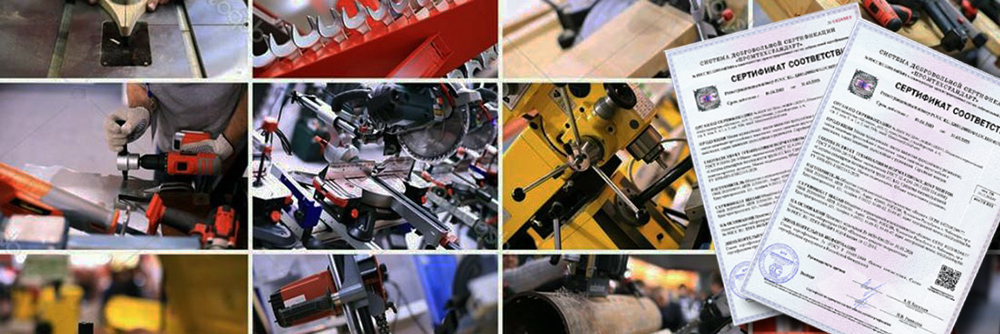
Voluntary certification is the most frequently mis-sold document in this market, and foreign manufacturers are its usual buyers. The scheme is simple enough: a company is offered a handsome certificate with stamps and holograms for a modest fee and a short wait, and only at the border does it emerge that the document has nothing to do with the technical regulations. Nothing was forged. The certificate is genuine, the certification system it comes from is real — it just does not do what the buyer thought it did.
That is worth separating from the honest use of voluntary certification, which is a serious commercial instrument. It opens marketplace categories, unlocks claims you are otherwise not allowed to print on packaging, and settles procurement questions before they are asked. This page draws the line, and then explains where the instrument earns its money.
- First, what it cannot do
- Where voluntary certification earns its money
- What can be certified voluntarily
- How it works
- From our practice
- FAQ
- Can a voluntary certificate replace an EAC certificate?
- Do we need mandatory documents first?
- Is testing required for a voluntary certificate?
- Will marketplaces accept a voluntary certificate?
- How long does it take?
- Our product is not regulated at all. Can we still certify it voluntarily?
- + 3 more questions+ 6 more questions
First, what it cannot do
A voluntary certificate never replaces mandatory conformity assessment. If your product falls under a technical regulation, you need an EAC certificate or declaration, full stop, and nothing issued in a voluntary system substitutes for it. Voluntary documents are issued within registered voluntary certification systems and confirm conformity with whatever that system covers — a standard, a set of specifications, a particular claim. They do not appear in the state register of mandatory documents, and customs does not treat them as permission to import.
The warning signs are consistent. You are offered a certificate without any mention of a technical regulation. Nobody asks for samples. The price is a fraction of what testing alone would cost. The seller answers the question "will this clear customs" with reassurance rather than with a regulation number. If your goods are regulated and someone offers you a voluntary certificate as the solution, they are not saving you money — they are selling you a stopped shipment.
The honest sequence is the opposite: mandatory first, voluntary afterwards if it adds something. See EAC certificate and EAC declaration for what mandatory means for your product, or send us the goods for free identification.
Where voluntary certification earns its money
Claims on marketplaces. This is the most practical use for anyone selling on Ozon or Wildberries. Words like organic, vegan, hypoallergenic, sugar-free or GMO-free are not decoration: platforms and regulators expect them to be backed, and a card making unsupported claims can be removed. A voluntary certificate is what backs them. See documents for Russian marketplaces.
Halal and religious requirements. Halal certification opens a substantial consumer segment, and it covers far more than food — cosmetics, hygiene products and children's goods all come to us for it.
Tenders and corporate procurement. A voluntary GOST R certificate is regularly listed among the qualification documents in Russian tenders, and its absence removes you from consideration regardless of the product.
Retail chains and industrial buyers. Procurement departments ask for guarantees beyond the legal minimum, particularly from a supplier they have not worked with before. A certificate confirming conformity with a specific GOST answers that faster than a negotiation.
Differentiation against a crowded shelf. When a category is full of visually identical imported goods, a documented claim is one of the few things a buyer can actually compare.
- Voluntary certificates from $50 — GOST R, halal, organic, vegan, hypoallergenic, GMO-free
- Testing in our own accredited laboratory, so the claim on your packaging is backed by data
- We tell you first whether the product needs a mandatory document, and never sell one instead of the other
Send us the product and the claim you want to make — WhatsApp, WeChat or e-mail.
What can be certified voluntarily
- Conformity with a GOST standard — the classic voluntary GOST R certificate, confirming the product meets a named national standard.
- Conformity with your own technical specifications — useful when the product is defined by your TU rather than by an existing standard. See technical documentation in Russian.
- Specific claims — organic, vegan, hypoallergenic, sugar-free, GMO-free, eco.
- Religious certification — halal, for food and non-food products alike.
- Quality parameters that matter to your buyer, where the product's real advantage is worth documenting.
How it works
The mechanics resemble mandatory certification, with one difference that matters: you choose the claim. We establish which voluntary system covers it, agree the evidence required, run the testing, and issue the certificate if the results support the claim.
That last condition is not a formality. A claim certified without evidence is worth nothing to a buyer and dangerous to you, because the packaging then states something the product cannot support. Where testing contradicts the claim, we say so, and usually there is a different claim the product can carry honestly. The first case below is exactly that.
From our practice
A hypoallergenic certificate for nut cookies. We warned the client from the start that hypoallergenic status was unlikely for a product containing nuts. The client insisted and ordered the testing, which found microscopic traces of peanut — one of the strongest food allergens named in TR CU 021. The hypoallergenic certificate was refused. The product did, however, qualify for organic, sugar-free and GMO-free certificates, which is three claims for the packaging instead of one it could not support. Full case (in Russian).
Halal certification for baby nappies. Around nine out of ten halal requests concern food, so a well-known nappy brand was an unusual arrival. Certification of non-food products has its own procedure: every component was analysed for substances prohibited in Islam, our experts visited the production site to confirm the process, packaging and marking were checked for anything conflicting with halal principles, and the documentation was audited down to the raw material certificates. The certificate was issued after all of it. Full case (in Russian).
FAQ
Can a voluntary certificate replace an EAC certificate?
No, under any circumstances. If a technical regulation covers your product, the mandatory document is required and the voluntary one is an addition, never a substitute.
Do we need mandatory documents first?
Yes, where the product is regulated. We identify what is mandatory before discussing anything voluntary, and identification is free.
Is testing required for a voluntary certificate?
For any claim worth having, yes. A certificate stating that a product is organic or hypoallergenic is only as good as the laboratory data behind it, and marketplaces increasingly check.
Will marketplaces accept a voluntary certificate?
For claims, yes — that is what it is for. For the mandatory document requirement, no. The two requests are separate, and platforms make both.
How long does it take?
It depends on the testing behind the claim. Where the evidence already exists from mandatory certification, the voluntary certificate follows quickly; where new testing is needed, it runs on the same timescale as any laboratory work.
Our product is not regulated at all. Can we still certify it voluntarily?
Yes, and it is a common combination: an exemption letter confirming no mandatory assessment applies, plus a voluntary certificate confirming the quality you want to advertise.
Related: exemption letter, documents for Russian marketplaces, accredited testing.
Leave your name and a way to reach you — we will take it from there. We reply within one business day.